
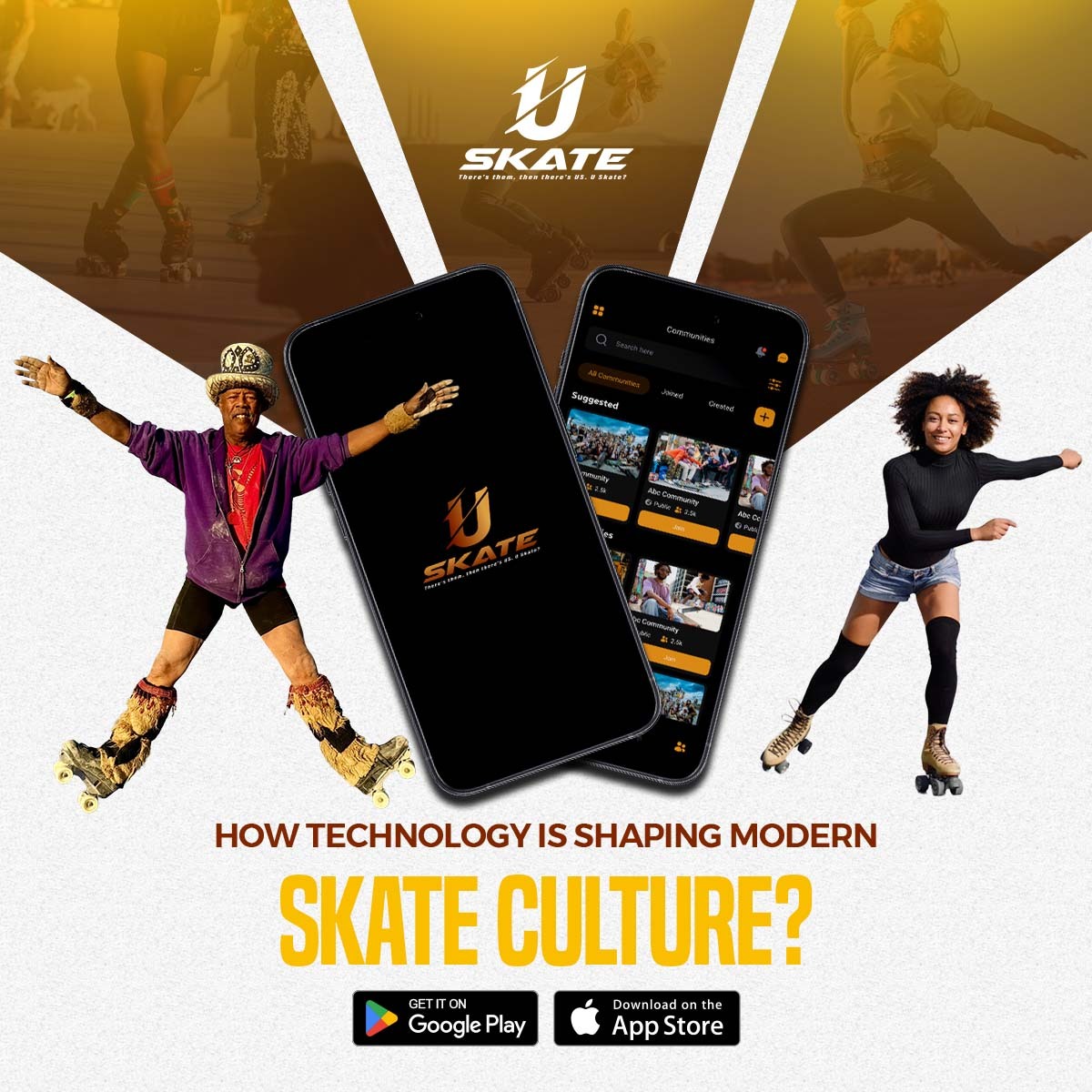
Skateboarding has always been part of our culture, and to some, it means more than just a sport. Some believe it to be a lifestyle and an art form powered by creativity and community. In today’s times, it has grown even more.
Just like everything else, technology entered the skate culture in ways no one imagined. From advanced deck materials to rich mobile apps, technology has given skaters access to tools that help them push boundaries and open new possibilities. Whether you are an amateur learning basic moves or an experienced skater clearing obstacles like a champ, understanding how technology is impacting modern skate culture is important. This guide will tell you just that, so you can not only follow it but also evolve with it.
1. Digital Media Exposure
Back in the days, skating used to spread through VHS tapes, live demos, or local skate shops. Today, we have digital media platforms like Meta, YouTube, and TikTok, which have become the new skate magazines. They have given everyone the chance to get instant visibility, go viral with just a clip, use new creative formats for videos and images like slow-mo or drone angles, and build micro-communities for different purposes.
Skaters around the world don’t have to wait for sponsors or big crews; their mobile phone is enough. This has led to one of the biggest cultural shifts technology has brought to skating.
2. Mobile Apps Revolution
Modern skate apps are another thing responsible for the massive growth of skate culture, and serve as digital coaches, trick trackers, and community hubs. They offer step-by-step tutorials with level adjustment, leaderboards and challenges to keep the thrill going, spot maps to show parks, ledges, rails, and new areas, and community uploads for sharing media. These apps make skating less intimidating and more fun for everyone.
3. Advanced Build Technology
Skating boots, wheels, and gear have all tremendously improved thanks to material innovation. thanks to material innovation. Some of the biggest examples include carbon fiber and hybrid materials, impact-resistant layers, wheel advancements for better grip, and safety gear for protection. These and many more enhancements help skaters roll more freely and skate longer with fewer equipment failures.
4. AI and Motion Tracking
Artificial Intelligence and motion-sensing technologies are becoming part of the everyday skating experience. AI-powered tools allow skaters to monitor their stats in real-time, get feedback, break down tricks for ease, identify patterns or weaknesses, and compare their moves with others. These technologies help amateur skaters learn faster and help pros push consistency and precision.
5. Virtual Communities and VR
Virtual Reality and Augmented Reality are bridging the gap between real and digital skating. These technologies allow skaters to practice tricks in virtual environments, visit fantasy skateparks, learn balance and muscle memory, and do much more in a safe, controlled manner. They have become helpful tools for learning, teaching, and practicing with complete safety.
6. Social Media Influencing
The rise of influencers has brought a new generation of skaters who gain recognition through creativity rather than competition. Influencers impact skate culture by highlighting diverse skate styles, encouraging inclusivity and visibility, promoting trends, and creating different content that accelerates learning. Skaters like these continue to change modern skating personality, making it more creative, expressive, and accessible.
7. Wearable Tech Advancement
No matter what, there will always be some risk involved in sports. However, technology is helping reduce the severity of these risks. Examples of wearable tech in skating include smart helmets with fall detection, impact-sensing pads that analyze crashes, fitness trackers for monitoring health and performance, GPS movement tracking for long-distance routines, and much more. These tools help skaters know their limits and stay safer.
8. Ecommerce and Online Shopping
Skaters no longer have to rely solely on brick-and-mortar stores; they now have access to online shopping or ecommerce. Some of the best benefits of digital shopping include gear customization, access to global brands, detailed comparisons, and more accessibility for everyone. This also pushes brands to innovate faster and compete globally.
9. Diversity and Inclusivity
Perhaps the biggest cultural impact of technology out of all is accessibility. Today, more people can watch or join skate culture in different ways. There are online learning tools for beginners, virtual classes for everyone, inclusive online communities, and more. Technology has made skating more than just a sport. It has made it a global, diverse, and connected culture.
Final Thoughts
Skating will always remain grounded in creativity, street art, and raw expression. The real benefit of technology is the evolution it brings. It increases performance, expands community, enhances safety, and helps skaters of all levels learn, share, and grow.
Whether you are on your way to your first roll or already competing with your friends, embracing technology does not replace real skate culture, but it enhances it. You must know that technology is not just shaping skating from the outside; skaters are also using it to shape the culture from within.